If you have obstructive sleep apnea and find CPAP hard to use, oral appliance therapy may be another option. A custom-fitted appliance is designed for comfort and worn only while you sleep.
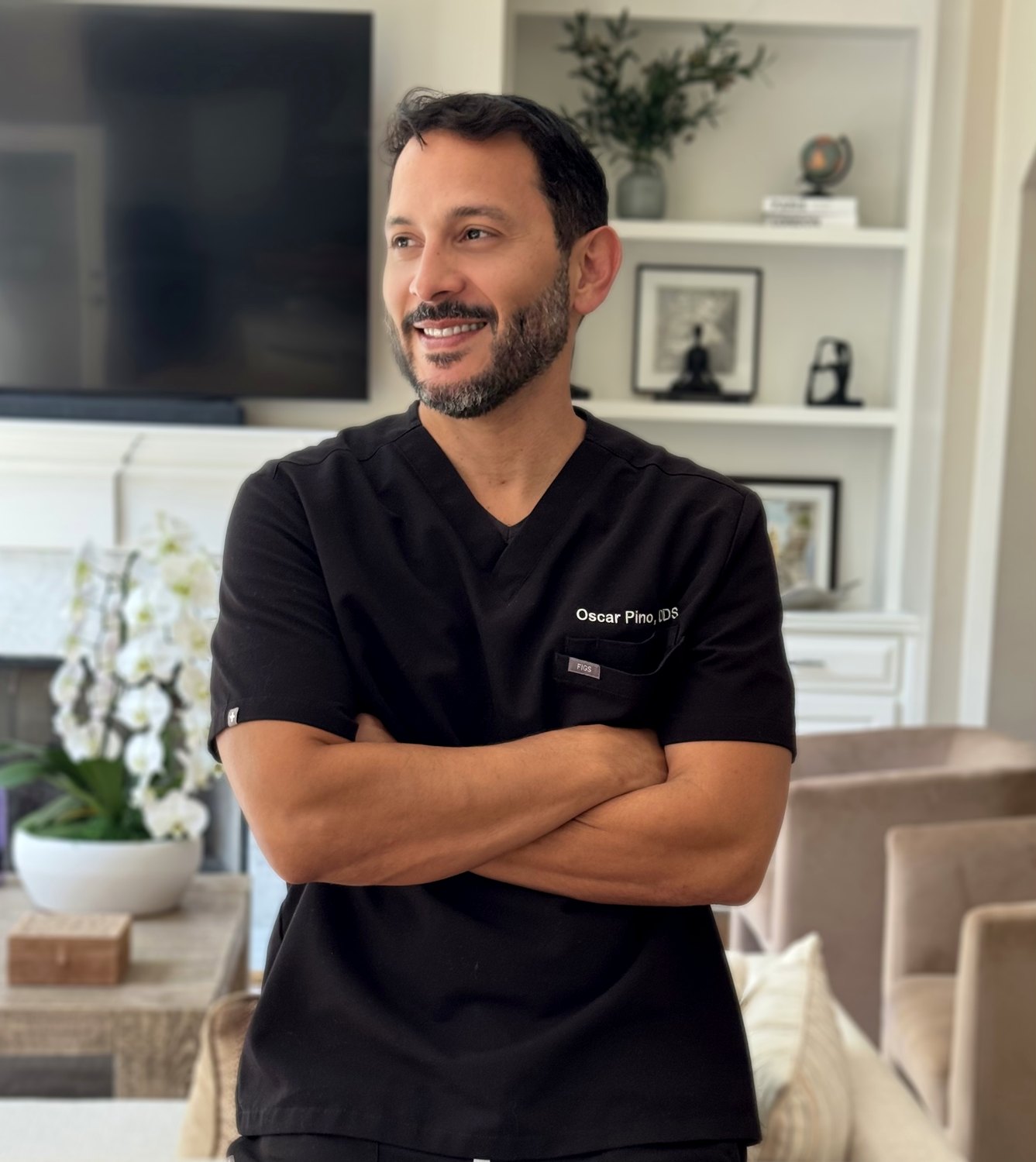
Dr. Pino brings a clinical focus on airway-focused dentistry, and our Senior Dentist, Dr. Wayne Suway, is a Diplomate of the American Board of Dental Sleep Medicine. We serve patients from Atlanta and surrounding communities who are exploring whether it is right for them as a non-invasive option for interrupted breathing during sleep.
“Your mouth can tell me a lot about how you sleep. My role is to notice the signs and work with your physician on the next step.” — Dr. Oscar Pino
The pickup of the sleep device was seamless and only took 10 minutes as I was told over the phone. Much cheaper purchasing from the office then to use hospital insurance/
What Oral Appliance Therapy Involves in Sleep Apnea Care
Oral appliance therapy uses a custom-fitted mouthpiece worn during sleep to help keep the airway open. The device fits over the teeth and works by supporting the jaw in a forward position, which can reduce the airway collapse that occurs in obstructive sleep apnea. This is a dental treatment option intended for people who have already received a sleep apnea diagnosis from a medical provider.
The appliance is made from precise impressions of your teeth. We adjust it to fit your bite and jaw and help it stay in place through the night.
How a Custom Appliance Repositions the Jaw During Sleep
A custom oral appliance gently holds the lower jaw slightly forward during sleep. This forward position helps maintain space at the back of the throat, reducing the soft tissue obstruction that causes pauses in breathing. The appliance allows you to open and close your mouth.
You can speak, drink water, and breathe naturally while wearing it.


Who May Consider an Appliance When CPAP Is Difficult
Many people who have tried CPAP find the mask uncomfortable, the noise disruptive, or the pressure hard to tolerate.
An appliance can be an option for those who cannot use CPAP consistently despite trying different masks and settings. A consultation helps determine whether your airway pattern and dental health make you a good candidate.
How Snoring and Fatigue Fit into Sleep Apnea Conversations
Snoring and daytime fatigue are two common reasons people begin exploring sleep apnea care. While snoring alone does not confirm sleep apnea, it is often a sign that the airway is partially blocked during sleep. Fatigue, morning headaches, and trouble concentrating may point to broken sleep from repeated breathing pauses.
What Personal Factors Inform Appliance Planning
Every oral appliance is planned around the person who will wear it. We consider your medical history, jaw joint health, dental condition, and lifestyle. Someone with TMJ concerns may need a different adjustment protocol than someone without jaw discomfort.
A person who grinds their teeth at night may benefit from an appliance design that also protects the teeth. We also take into account how you sleep, whether you breathe through your nose or mouth, and what you have already tried. These details shape the appliance design and the follow-up schedule we recommend.
How Dental Care Can Complement Broader Sleep Apnea Management
Oral appliance therapy works alongside the care you receive from your sleep physician or primary care provider. We do not diagnose sleep apnea or replace medical evaluation. Instead, we focus on the dental and airway aspects of your treatment plan.
Dr. Pino may suggest staying in touch with your healthcare provider about related concerns, such as cardiovascular disease or acid reflux. This can be part of a broader approach to your wellbeing. Our work in Airway & Sleep care is one part of a larger picture that includes your overall health and daily habits.

Frequently Asked Questions About Oral Appliance Therapy
An oral appliance works by gently holding the lower jaw in a forward position while you sleep. This forward movement helps keep the space at the back of your throat open, which reduces the soft tissue blockage that causes breathing pauses.
You may consider this option if you find the mask from CPAP uncomfortable or if you need a portable solution for travel. We review your airway pattern and dental health to see whether it fits you.
We look at your medical history, your jaw joint health, and your overall dental condition to plan the device. We also consider your lifestyle and how you naturally sleep, such as whether you breathe through your nose or mouth.
This therapy works alongside the care you receive from your primary healthcare provider or sleep physician. We focus on the dental and airway aspects of your care plan while encouraging you to monitor related health issues with your doctor.
Snoring and daytime tiredness are common reasons people explore sleep apnea care. Fatigue and difficulty focusing can signal fragmented sleep from repeated interruptions in your breathing.
Why Choose Us for Oral Appliance Therapy
We approach your care by evaluating every smile as part of a larger picture, looking at function, comfort, facial harmony, and long-term oral health together. Dr. Pino is a Fellow of LVI Global. His training includes physiologic and neuromuscular dentistry. We offer care in English and Spanish, so you can discuss your treatment plans in the language you are most comfortable with.
We focus on the whole person, not just the smile, which guides how we plan your Oral Appliance Therapy. Dr. Pino holds a Master of Science in Oral Biology from the University of Alabama at Birmingham. We take time to explain treatment clearly and answer your questions without pressure.
Meet Dr. PinoExplore Oral Appliance Therapy in Atlanta
If sleep apnea affects your quality of life and CPAP has not worked for you, learn more about oral appliance therapy at Pino Dental Studio. Dr. Pino leads a practice where unhurried, whole-person care is the standard.
We serve patients from Atlanta and nearby areas with a calm, listening-first approach. Contact us to schedule a consultation and take the next step toward more restful sleep.