When a tooth becomes deeply damaged or infected, root canal treatment can relieve pain and help you keep your natural tooth. If you have been told you may need a root canal or are living with tooth pain, learning what the procedure involves can help you move forward with confidence.
Dr. Pino completed an Advanced Education in General Dentistry residency at the University of Pittsburgh. We approach every case with precision, clear communication, and a calm manner, and we will refer you to a specialist if a tooth needs more focused care.
“My first question is always whether we can save the tooth. When we cannot, I explain why and what comes next.” — Dr. Oscar Pino
The best dentist I’ve gone to in awhile. He is very gentle and informative. The staff is amazing! The thing that is most shocking is that if ever you need to be numb for treatment, you don’t feel the injection (shot). Also, I love a dentist who takes pride in his work and truly cares about his patients.
What Root Canal Therapy Treats
Every tooth contains a pulp chamber made up of nerves and blood vessels, surrounded by a hard outer shell that extends into the roots through narrow canals. When decay reaches deep into the tooth, a crack exposes the pulp, or trauma disrupts the blood supply, bacteria can enter and cause an infection inside this chamber. Left untreated, the infection may lead to an abscess, a painful pocket of pus that forms at the root tip and can threaten the surrounding bone.
Root canal therapy removes the damaged pulp, cleans the canals, and seals the space to treat the infection at its source. This allows the tooth to heal and function again.
Which Symptoms May Need a Dental Evaluation
Certain symptoms can signal inflamed or infected pulp inside a tooth. A dental evaluation can confirm whether a root canal is needed. You may notice persistent or throbbing tooth pain, sharp sensitivity to hot or cold that lingers after the food or drink is gone, or discomfort when you bite down or chew.
Swelling in the gums near a specific tooth, a small bump on the gum that resembles a pimple, or a tooth that has become broken or visibly decayed are also reasons to schedule an exam. Pain that starts in one tooth and spreads to other areas of the jaw or face should be evaluated promptly. Dr. Pino can examine the tooth, discuss your symptoms, and help you understand what is causing the problem and which treatment option fits your needs.


How the Procedure Cleans and Seals the Tooth
During a root canal, the infected nerve and pulp are removed from the canals inside the root. The entire pulp chamber is then thoroughly disinfected to reduce bacteria inside the tooth. Once the space is clean and dry, it is filled with a strong dental material designed for long-lasting durability. This seals the canals and helps prevent reinfection.
We use modern techniques and focus on your comfort and efficiency during the procedure. Most root canals can be completed right in our Atlanta office, and we take time to explain each step before we begin so you know exactly what to expect.
How a Crown Restores the Treated Tooth
After the canals are filled, the tooth often needs a dental crown to restore its strength and appearance. A tooth that has undergone a root canal can become more brittle over time because the inner pulp, which once supplied moisture and nutrients, has been removed. Placing a crown over the treated tooth provides added security against fracture and restores a natural look and feel.
The crown is custom-made to match your surrounding teeth in shape and color, so it blends seamlessly with your smile. This final restoration helps you chew comfortably and protects the investment you made in saving the tooth.
How Treatment Can Preserve a Natural Tooth
The primary goal of root canal therapy is to save a tooth that would otherwise need to be extracted. Keeping your natural tooth helps you chew and maintain the alignment of nearby teeth. It also helps avoid the bone loss that can follow an extraction.
Root canal treatment can relieve tooth and gum pain and address abscesses caused by severe infection. It can also stop the spread of bacteria that could lead to more serious health issues. By removing the source of infection and restoring the tooth to a healthy form, the procedure supports your long-term oral health and keeps your smile intact.

Frequently Asked Questions About Root Canals
After the canals are cleaned and filled, we usually place a dental crown over the tooth. The crown adds strength and helps protect the tooth from breaking.
You should come in if you feel throbbing tooth pain or if you notice swelling in the gums near a specific tooth. Sensitivity to hot or cold that does not go away is also a sign to check with us.
The main aim of this procedure is to save a tooth that might otherwise need to be taken out. This process stops infection from spreading to other parts of your jaw.
The tooth is numbed before treatment, and most patients say it feels similar to having a filling. Some soreness for a few days afterward is normal and is usually managed with over-the-counter medication.
If the anatomy or damage is very complex, we may refer you to a specialist. This ensures your tooth receives the right level of focused expertise.
Why Choose Us for Root Canals
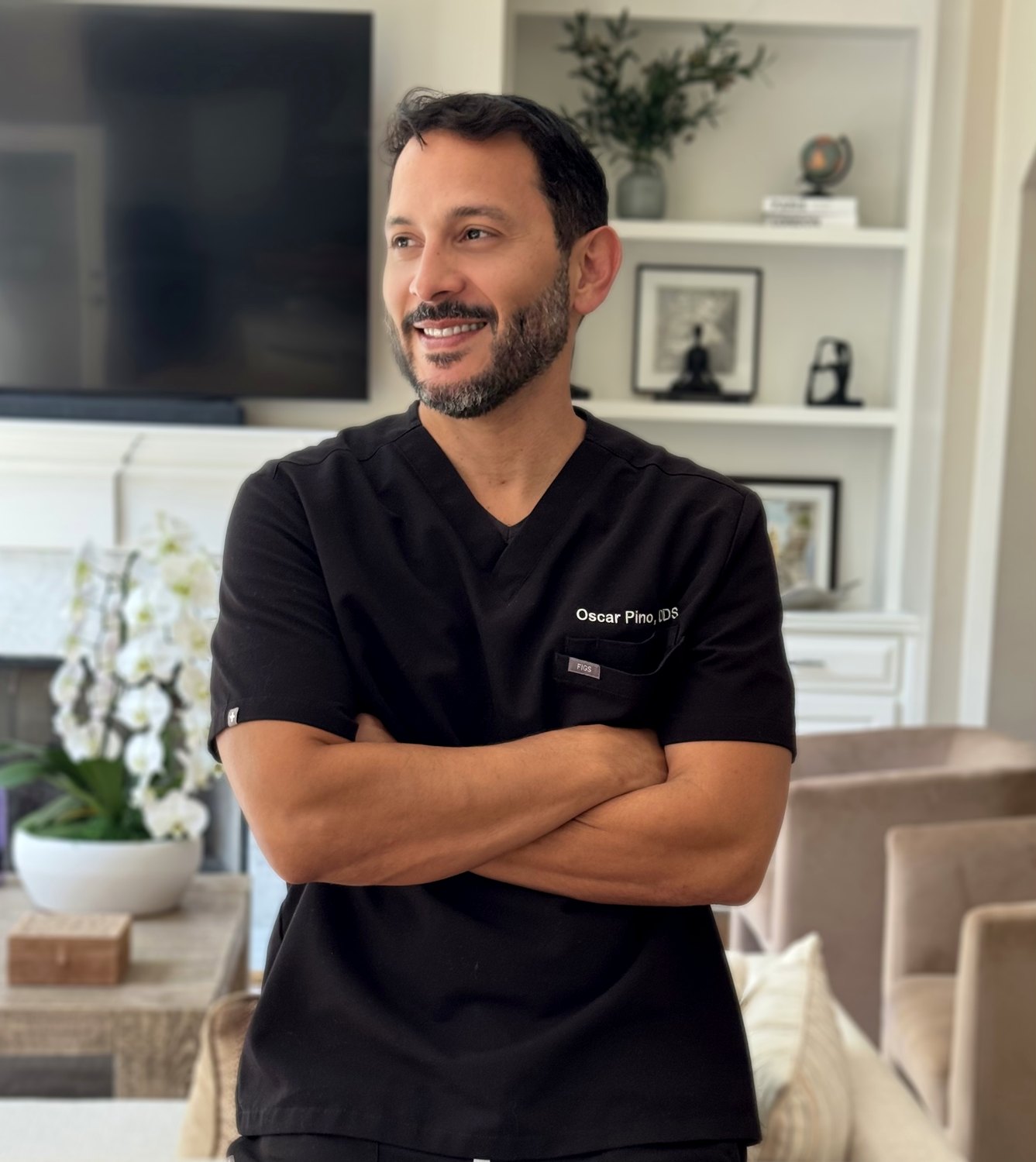
Dr. Pino completed an Advanced Education in General Dentistry residency at the University of Pittsburgh. He also holds a Master of Science in Oral Biology from the University of Alabama at Birmingham. We approach your dental care by evaluating your entire smile, including function, facial harmony, and long-term oral health.
Dr. Pino is fluent in English and Spanish, allowing for clear treatment discussions in both languages. Dr. Pino is a Fellow of LVI Global, with advanced training in physiologic and neuromuscular dentistry.
Meet Dr. PinoSchedule Root Canal Care in Atlanta
If tooth pain, sensitivity, or swelling is keeping you from feeling like yourself, a dental evaluation can give you clear answers and a path forward. At Pino Dental Studio, Dr. Oscar Pino and our team serve patients from Atlanta and surrounding communities with care that is calm, thorough, and centered on you.