When jaw discomfort, recurring headaches, or a bite that no longer feels right start to interfere with your day, finding clear answers matters. TMJ and occlusion care looks at how your jaw joints, muscles, and teeth work together as one system.
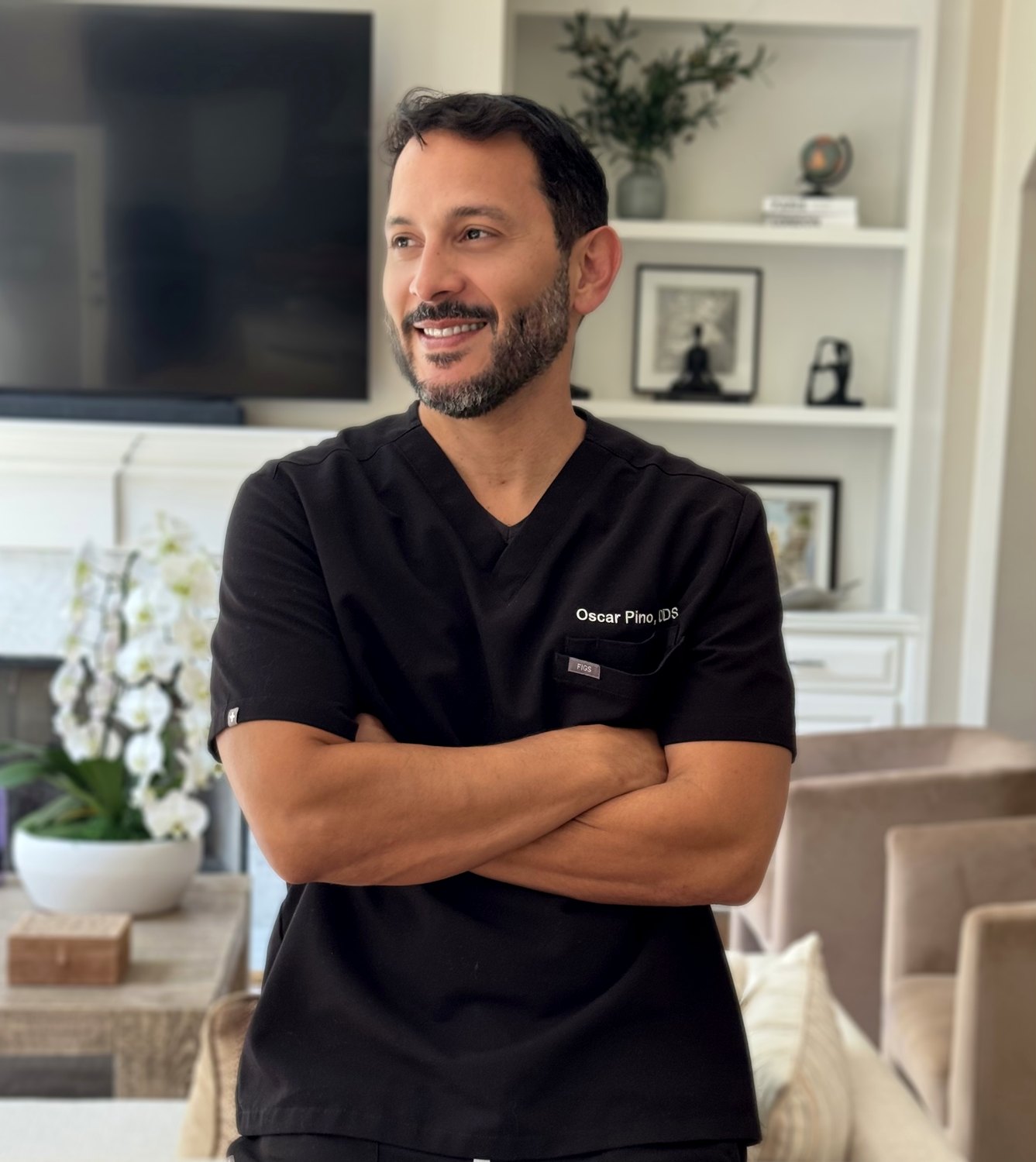
Dr. Pino is a Fellow of LVI Global, with advanced training in physiologic and neuromuscular dentistry and occlusion, so we can evaluate the full picture before discussing any next steps. We serve people from Atlanta and surrounding communities who want to understand what is causing their symptoms and what can be done to help.
“Jaw pain is rarely about one tooth. When we look at how the teeth, muscles, and joints work together, we can usually find a more comfortable path forward.” — Dr. Oscar Pino
Dr Wayne is the only TMJ specialist that I trust! I highly recommend him not only for TMJ, but for any dental work. He is honest and gives you a straight answer. Every time I see him, I never wait more than 5 to 10 mins. He takes his time to speak with you, he is very knowledgeable and he has good sense of humor.
What TMJ and Occlusion Care Covers
TMJ and occlusion care addresses problems involving the temporomandibular joints and surrounding jaw muscles. It also considers how your teeth meet when you bite. The temporomandibular joints sit on each side of your face near the ears and support everyday movements like chewing and speaking. When these joints or muscles become strained, a range of symptoms can follow.
Occlusion refers to how your upper and lower teeth come together. A bite that is uneven or shifting can contribute to jaw strain and tooth wear over time. Care in this area aims to reduce discomfort, support comfortable jaw movement, and limit additional strain on your teeth and joints.
Which Jaw Symptoms May Prompt a Dental Evaluation
People often seek an evaluation for jaw or facial pain, stiffness, clicking or popping sounds, or trouble opening and closing the mouth comfortably. Headaches, ear-area discomfort, and trouble chewing can also point to a temporomandibular disorder. Because similar symptoms can have different causes, a thorough assessment is the most useful first step.
You do not need to have every symptom to benefit from a conversation. If discomfort persists, worsens, or affects your sleep or meals, consider discussing it with a dentist who focuses on TMJ and occlusal therapy.


How TMJ and Bite Concerns Are Evaluated
An evaluation typically begins with a detailed conversation about your symptoms, when they started, and what makes them better or worse. We then look at jaw movement, joint sounds, muscle tenderness, and how your teeth fit together during function. Because occlusion can play a role in jaw strain, we assess your bite alignment as part of the larger picture.
The goal is to identify which factors are contributing to your discomfort rather than assuming a single cause. This process helps us understand whether your symptoms relate primarily to the joints, the muscles, your bite, or a combination of factors.
How Teeth Grinding Relates to Jaw Symptoms
Teeth grinding, also called bruxism, often happens during sleep or times of stress and can place significant force on the jaw joints and muscles. Over time, this repeated strain may lead to soreness, stiffness, and tooth wear. Many people are unaware they grind until a partner mentions the sound or a dentist notices wear patterns on their teeth.
When grinding contributes to TMJ symptoms, addressing it becomes part of the care plan. Teeth grinding (bruxism) treatment may involve a custom appliance, habit awareness, or other approaches that help reduce the load on your joints and protect your teeth.
How Your Findings Shape an Individualized Care Plan
Once we understand what is driving your symptoms, we can discuss options that fit your situation. Care is individualized because each person has a different mix of joint health, muscle patterns, bite, and personal goals. Some people benefit from conservative approaches and exercises.
Others may need a dental appliance or Bite & Occlusal Therapy to support a more stable, comfortable jaw position. TMJ treatment may also include habit changes or coordination with other health providers when needed. We explain each option in plain language so you can make an informed decision without pressure.

Frequently Asked Questions About TMJ & Occlusion
Our care addresses problems with the temporomandibular joints, the muscles around your jaw, and the way your upper and lower teeth fit together. We aim to lower discomfort, support easy jaw movement, and limit extra strain on your teeth and joints.
If you notice jaw or facial pain, stiffness, clicking, or difficulty opening your mouth, you should have a dental evaluation. A thorough assessment helps us figure out what is causing your symptoms before we discuss any treatment.
Occlusion refers to how your teeth align when you bite, and an uneven bite can cause strain on your jaw and wear down your teeth over time. We check your bite alignment as part of looking at the bigger picture of your oral health.
We start with a detailed talk about your symptoms and what makes them better or worse. Then, we examine your jaw movement, joint sounds, and how your teeth fit together to find the root cause of your discomfort.
Teeth grinding puts a lot of force on your jaw joints and muscles, which can lead to soreness and stiffness over time. If grinding is contributing to your symptoms, we include ways to reduce that load in your care plan.
Why Choose Us for TMJ & Occlusion
We evaluate every smile as part of a larger picture. We look at how function, comfort, facial harmony, and long-term oral health work together. We offer consultations and treatment discussions in English and Spanish.
We approach your care with an unhurried manner, taking time to explain treatment clearly and answer your questions thoughtfully. We focus on preserving healthy tooth structure whenever possible while addressing your TMJ and occlusion needs in Atlanta.
Meet Dr. PinoDiscuss TMJ and Occlusion Care with Pino Dental Studio in Atlanta
If jaw symptoms, bite concerns, or teeth grinding are affecting your daily comfort, we are ready to listen and help you understand what is happening. Oscar Pino, DDS, MS, LVIF brings focused training in occlusion and neuromuscular dentistry to every evaluation. He takes the time to answer your questions thoughtfully.
Our care looks at the whole person, not only your jaw. Reach out to Pino Dental Studio to schedule a conversation about your TMJ and occlusion concerns.